Living Forest

The Living Forest is a strategic and innovative initiative from BNDES that combines non-reimbursable resources from the Bank and partner institutions to support ecological restoration in all Brazilian biomes. It represents a milestone in the Brazilian environmental restoration agenda, having received an award from the Latin American Association for Development Institutions in the Green Finance category.

More than just reforesting, Living Forest seeks to transform the relationship between society and nature, promoting sustainable production chains that generate jobs and income.
Project benefits

Ecological restoration on a national scale

Its objective is to restore degraded areas in all biomes of Brazil using native species.

Valuation of Brazilian biomes

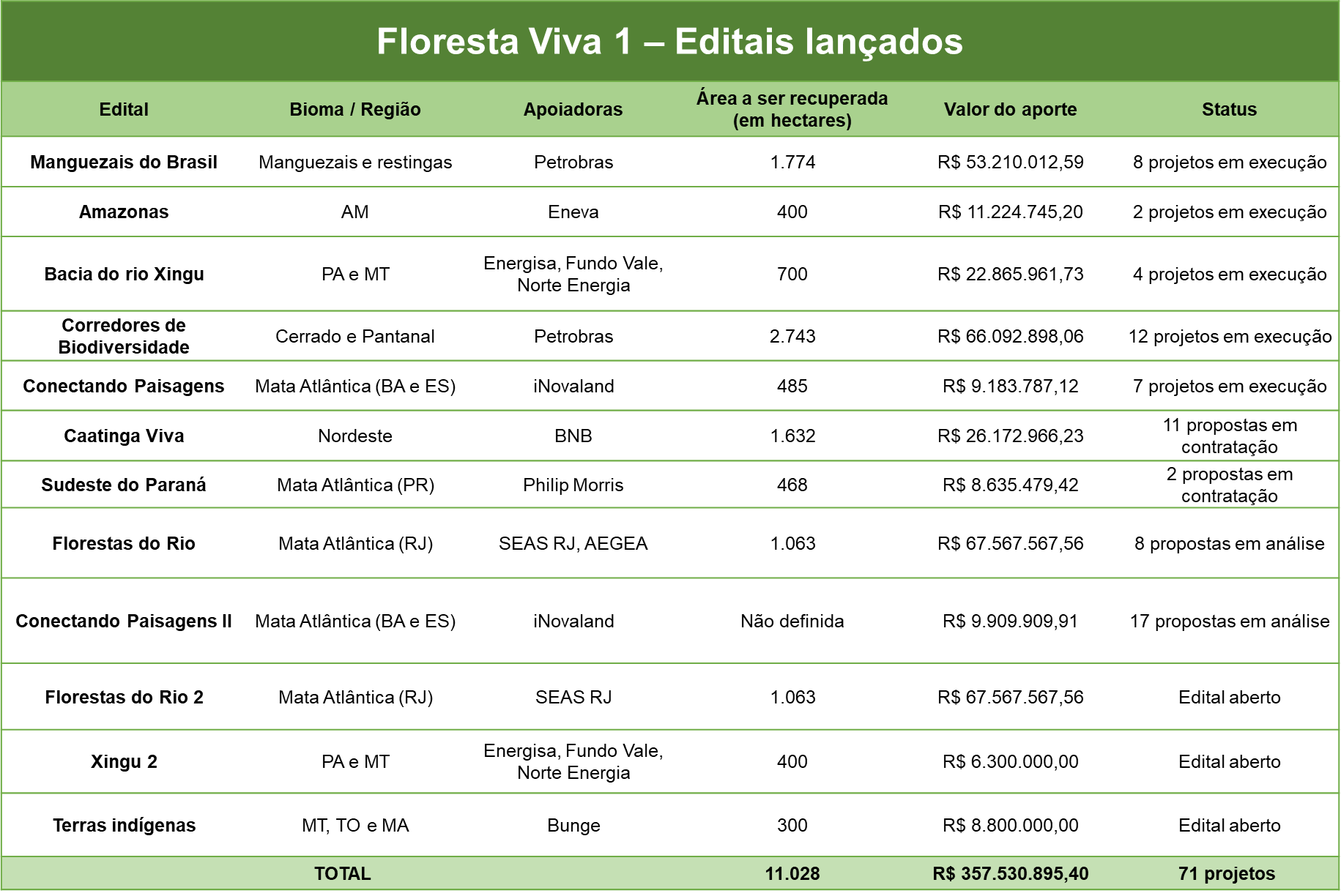
Each region is treated as a priority, with specific notices such as Caatinga Viva, Mangroves of Brazil, Biodiversity Corridors in the Cerrado, Xingu River Basin, and others, that recognize the richness and uniqueness of local ecosystems.

Innovation in biodiversity

The latest phase of the project includes tools to assess biodiversity credits, enhancing the ecological and economic value of forest restoration.

Imagem tabela Notices released in the first stage of the Living Forest.
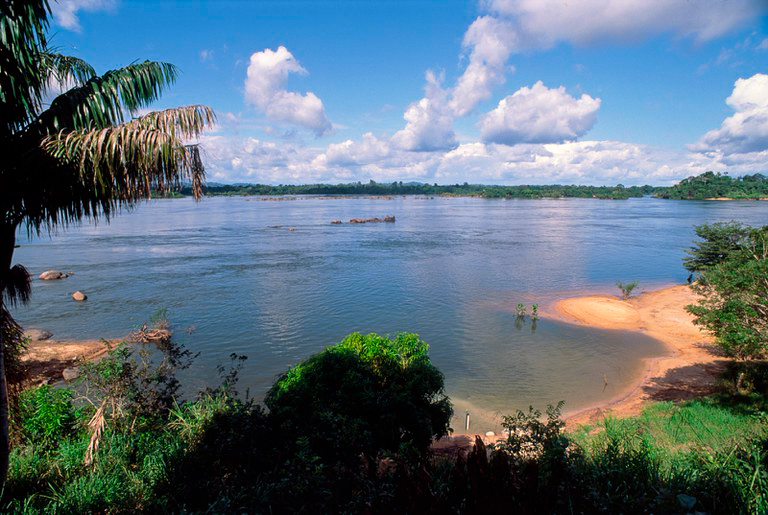
Imagem Amazônia (Rio Xingu) Amazon (Xingu River): In partnership with Fundo Vale, Energisa, and Norte Energia, BNDES launched the Xingu River Basin notice to invest in ecological restoration and strengthen the productive chains of the region. Photo: Disclosure ANA/Rui Faquini.
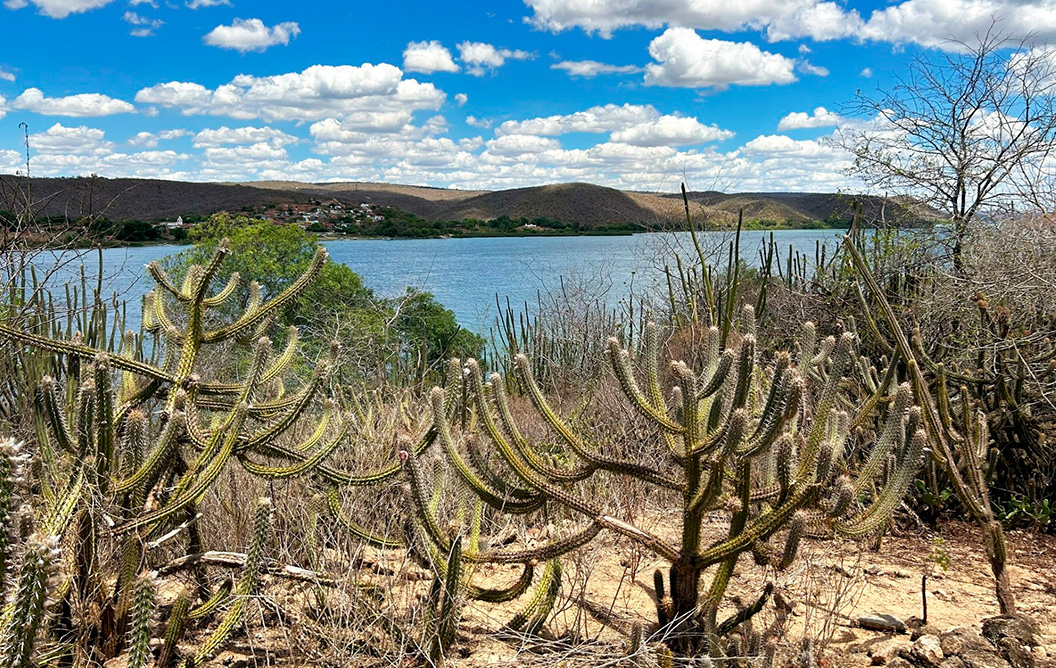
Imagem Caatinga Caatinga: The caatinga is an exclusively Brazilian biome, with a fauna and a flora adapted to the semi-arid climate. In conjunction with the Northeast Bank of Brazil, BNDES supports its conservation with a contribution of BRL 26 million. Photo: Carolina Franco/BNDES Collection.
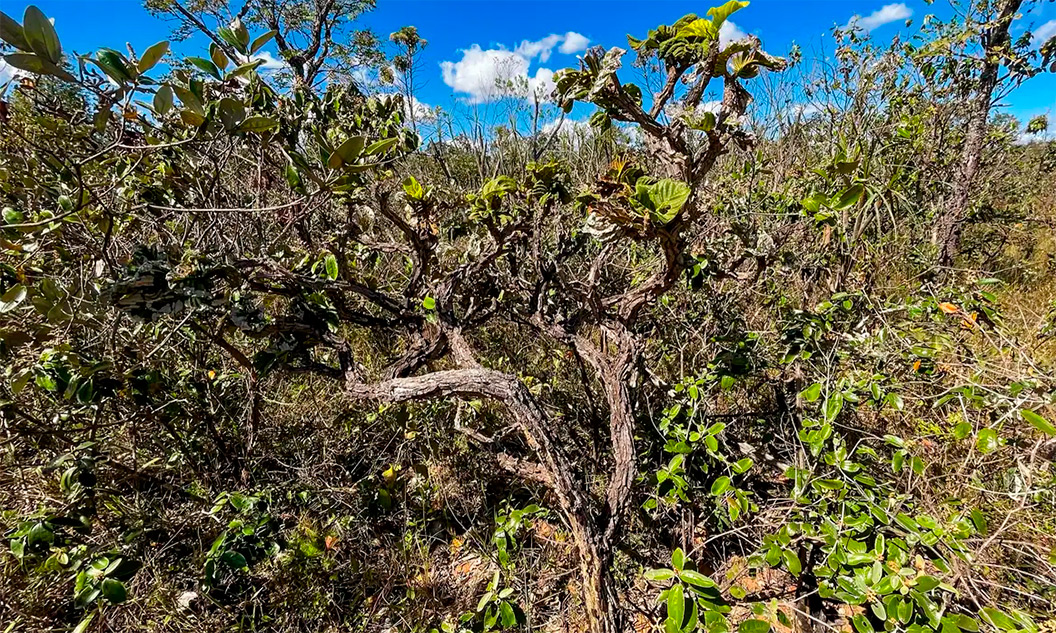
Imagem Cerrado Cerrado: The trees of the cerrado often have twisted trunks due to natural factors. The biome received resources from BNDES and Petrobras to restore and form ecological corridors. Photo: Juca Varella/Brazil Agency
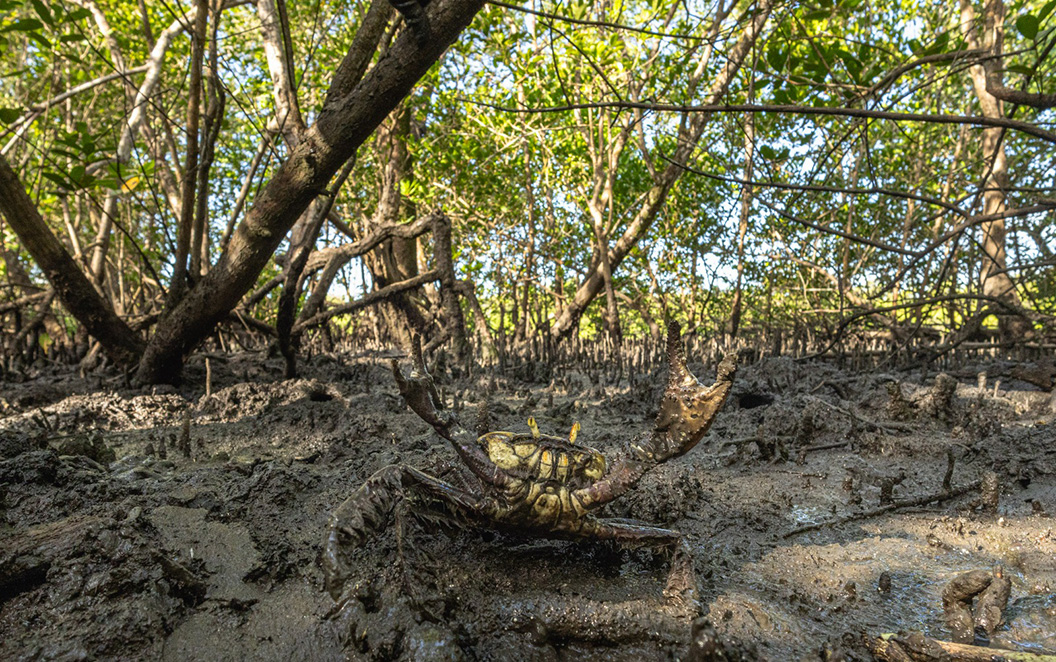
Imagem Mangue Mangrove: The mangroves are known as nurseries for numerous species and have a high capacity to sequester carbon. In partnership with Petrobras, since 2023 BNDES has been investing in the recovery of native vegetation. Photo: Gabriel Marchi/ Society for Wildlife Research and Environmental Education.
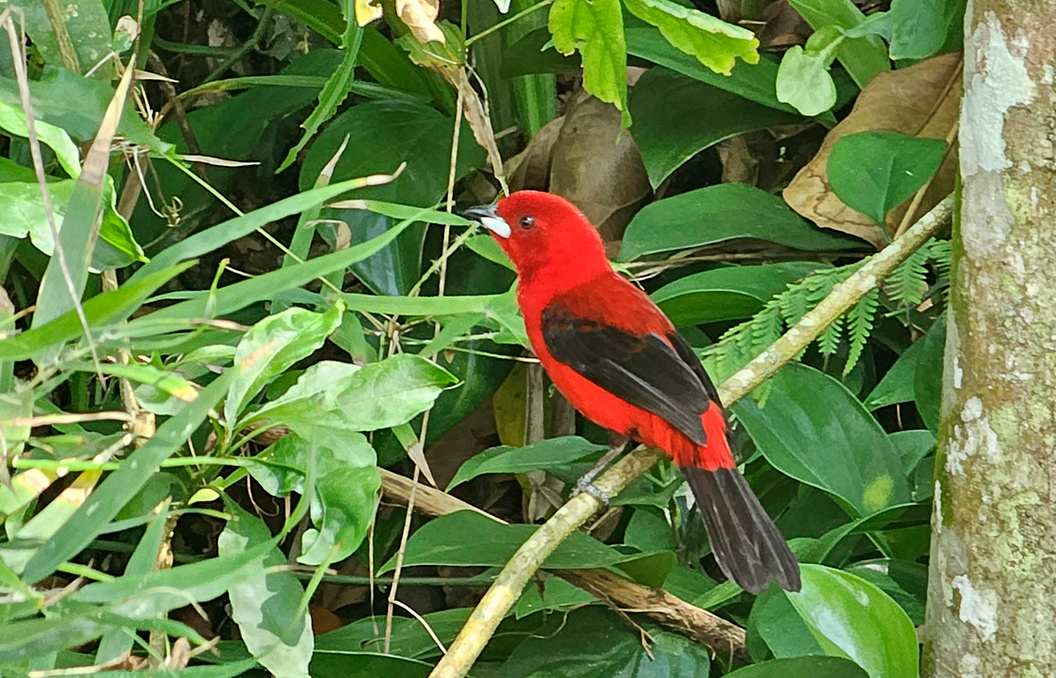
Imagem Mata Atlântica Atlantic Forest: The red-throated tanager is the symbol animal of the Atlantic Forest, a biome present throughout the entire stretch of the Brazilian coast. By calls for proposals and supporters, the Bank provides resources for the creation of ecological corridors and the preservation of species in this ecosystem. Photo: Cristina Blaso/BNDES Collection.
Imagem Pantanal Pantanal: The Pantanal is the largest wetland plain in the world, predominantly occurring in Mato Grosso and Mato Grosso do Sul. It received resources from BNDES and Petrobras for its restoration and conservation with biodiversity corridors. Photo: Ana Gorini/Collection BNDES.

Figures

BRL 468 million

Funds mobilized in the first phase of the Living Forest I, amounting to BRL 234 million from BNDES, considering notices to be launched in 2025.

BRL 193 million

Made available by BNDES and partners for support by Living Forest II. Those interested in supporting this initiative should contact us at the email: florestaviva2025@bndes.gov.br.

+ over 15 thousand hectares

Total area to be restored with native species in Living Forest I, considering tenders to be launched in 2025.

+ over 6 thousand hectares

Minimum area to be recovered with native species in Living Forest II.

6.7 million tons

Expected volume of CO₂ to be removed from the atmosphere in 25 years with the initiative.